When Should You Replace a Drone Battery?
A practical decision guide for agricultural drone fleets, industrial UAVs and FPV aircraft—built around trends that turn battery replacement from opinion into a repeatable process.
Do not ask whether a battery is “good.” Ask whether it is still right for its role.
A pack that no longer suits a loaded spray mission may still be useful for controlled bench work, ground diagnostics or short training flights. Retirement and unusability are not the same decision.
Set the aircraft, payload, temperature band, depth of discharge and required turnaround first. Battery degradation becomes measurable against a requirement—not a feeling.
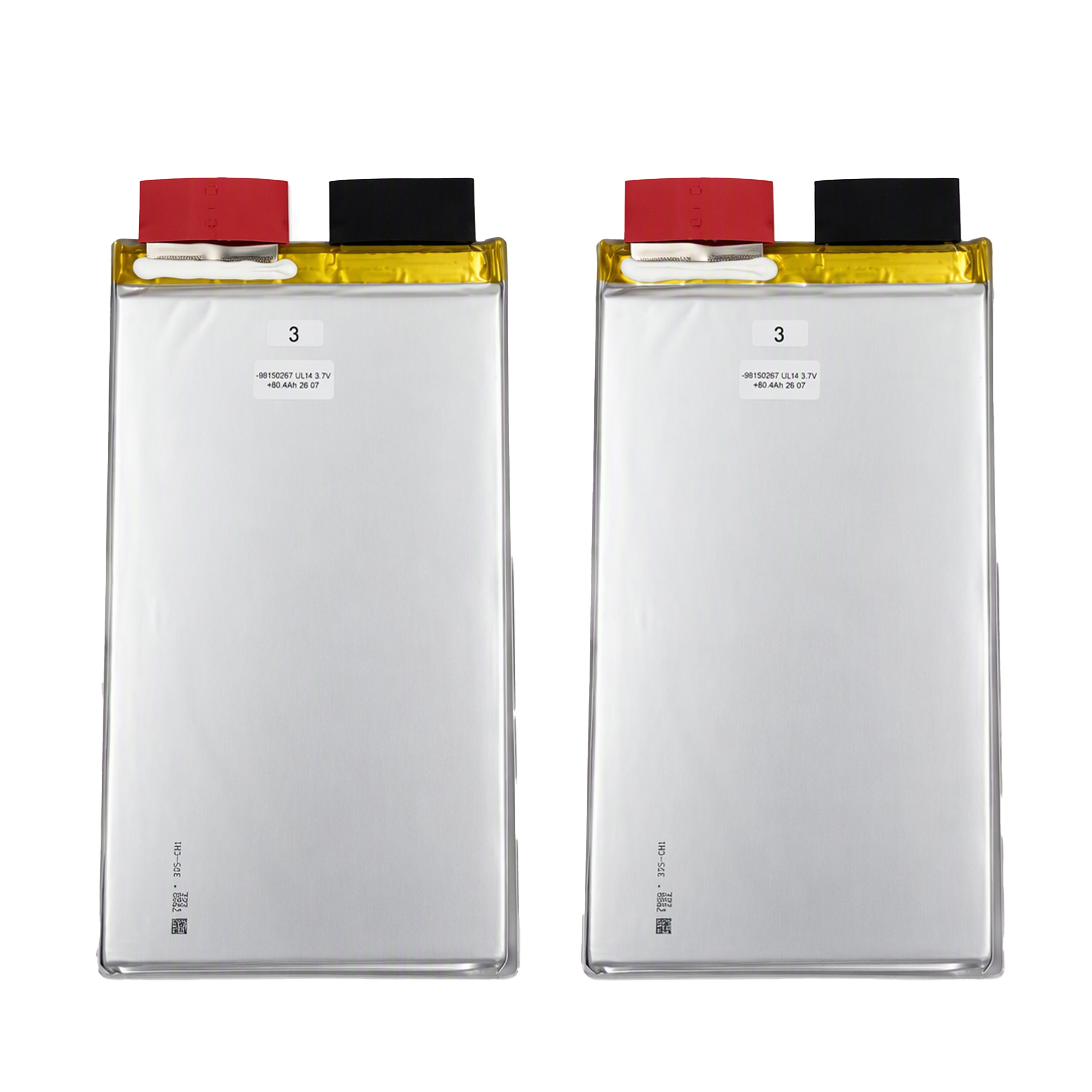
Start with the pack you actually fly.
Electrical trends tell part of the story. Physical inspection completes it: look for swelling, tab or tape damage, connector heat marks, enclosure deformation and any evidence that a pack no longer belongs in a critical flight role.
Hover over the product visual to see the CSS-only light and lift effect.
Read the direction of travel—not a single number.
These signals work together. Temperature, resistance and voltage sag often explain one another; physical damage can override every electrical reading.
Capacity fade
Compare delivered energy against the pack’s own commissioned baseline using the same mission and measurement conditions.
WATCH FOR STEP CHANGES
Voltage spread
Read at rest and under load. A widening gap can reveal cell mismatch, a weak group or an interconnect issue.
COMPARE TWO STATES
Resistance trend
Use one method at a fixed state of charge and temperature. Accelerating rise points to reduced high-current capability.
FREEZE THE METHOD
Voltage sag
Record the minimum voltage and recovery after a repeatable heavy-load event. Sag is the operational face of resistance.
TEST AT REAL LOAD
Physical condition
Swelling, damaged insulation, heat marks, residue or impact need an immediate removal from normal flight rotation.
INSPECT EVERY PACK
Use three destinations—not a simple keep-or-scrap decision.
Make every replacement decision repeatable.
The goal is not a universal retirement percentage. The goal is a consistent evidence trail that links each pack to its own baseline, its role and the action taken.
Plan replacement before peak work makes it urgent.
Maintain a serviceable buffer of packs, review the roster before high-demand and extreme-temperature periods, and give a named person the authority to move a pack between normal service, a lower-demand role, quarantine and recycling.
Post time: Nov-19-2026